
Review studies demonstrating the impact continuous glucose monitoring (CGM) use can have on glycemic control and variability.
Continuous glucose monitoring (CGM) is recognized as a standard of care in diabetes management by the American Diabetes Association (ADA), American Association of Clinical Endocrinologists (AACE) and the Endocrine Society1,2,3
The most recent recommendations from AACE (2021) strongly recommend CGM for all persons with diabetes treated with intensive insulin therapy, defined as 3 or more injections of insulin per day or the use of an insulin pump.2
The COMISAIR Study showed that real-time CGM—Not the Insulin Delivery Method—Drives A1C Reduction and that Sustained RT-CGM Use is Associated with Persistent Glycemic Benefit4
In this study, investigators examined the benefits of real-time CGM (RT-CGM) vs self-monitoring of blood glucose (SMBG) in subjects who were treated with multiple daily injection (MDI) or insulin pump therapy. Results from this three-year-long study convincingly demonstrated that RT-CGM – not the insulin delivery method – drives A1C reduction and that consistent RT-CGM use is associated with persistent glycemic benefits. A1C reduction in RT-CGM users was sustained for three years.
DIaMonD - A Randomized Controlled Trial Examining the Benefit of CGM Use for Adults with Type 1 Diabetes (T1D) on Insulin Injections
Clinical trials demonstrating improved glucose control in patients with T1D using CGM historically involved participants who use insulin pump therapy and not MDI. However, most adult patients with T1D deliver insulin by MDI.
The DIaMonD Study5 showed that Dexcom RT-CGM use reduced A1C, increased time in target range (70-180 mg/dL), reduced hypoglycemia, and reduced hyperglycemia compared to SMBG in adults with T1D using MDI. Owing to the glycemic benefits observed with Dexcom RT-CGM compared to SMBG, RT-CGM is considered to be a cost-effective intervention with an incremental cost-effectiveness ratio of $98,108 per quality-adjusted life-year (QALY) gained, with patients gaining 0.54 QALYs.6

More recently, large randomized controlled trials have demonstrated that Dexcom RT-CGM use improves glycemic control for patients with type 1 diabetes (T1D) across age ranges, significantly improving glycemic variability for young children ages 2-7 years;7 significantly improving TIR, reducing A1C, and reducing hyperglycemia for adolescents and young adults;8,9 and significantly improving TIR, reducing A1C, and reducing hypoglycemia for seniors ages ≥60 years.10
Importantly, RT-CGM but not intermittently scanned CGM (isCGM) provides these benefits. The recent ALERTT1 trial11 demonstrated that compared to isCGM, RT-CGM use increased TIR, reduced A1C, reduced severe hypoglycemia, and reduced worries about hypoglycemia in adults with T1D.
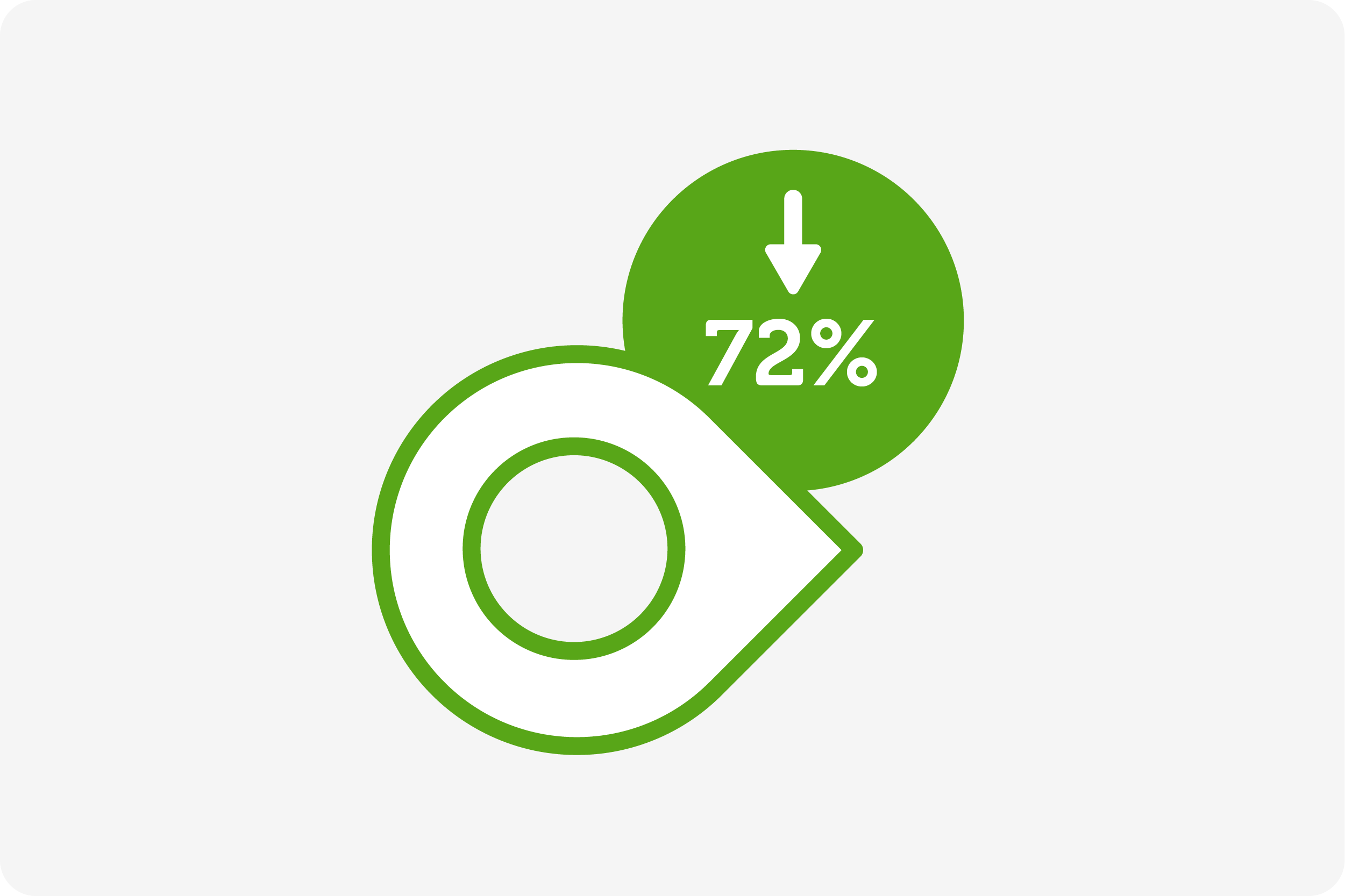
HypoDE Study: Dexcom RT-CGM use resulted in a 72% Reduction in Hypoglycemic Events
CGM clinical trials to date largely excluded individuals with severe hypoglycemia (SH) or impaired awareness of hypoglycemia (IAH). The HypoDE study12 examined the effectiveness of the Dexcom G5 Mobile RT-CGM System* use in patients with T1D treated with MDI who also had a history of SH or IAH.
Dexcom RT-CGM use significantly reduced exposure to hypoglycemia. The CGM group demonstrated a 72%† reduction in hypoglycemic events from baseline. By contrast, the SMBG group showed minimal reduction of hypoglycemic events.
*Baseline glucose data for all participants and the glucose data in the follow-up period for the SMBG group were collected using the Dexcom G4 PLATINUM CGM System, which uses the same software algorithm as the Dexcom G5 Mobile CGM System. Subjects in the CGM group used the Dexcom G5 Mobile in the treatment phase and the follow-up period. All CGM data collected in the baseline period and in the control group in the intervention period was blinded.
†Adjusted for baseline differences.
1 American Diabetes A. 7. Diabetes Technology: Standards of Medical Care in Diabetes-2021. Diabetes Care 2021;44:S85-S99.
2 Grunberger G, Sherr J, Allende M, et al. American Association of Clinical Endocrinology Clinical Practice Guideline: The Use of Advanced Technology in the Management of Persons With Diabetes Mellitus. Endocr Pract 2021;27:505-37.
3 Peters AL, Ahmann AJ, Hirsch IB, Raymond JK. Advances in Glucose Monitoring and Automated Insulin Delivery: Supplement to Endocrine Society Clinical Practice Guidelines. J Endocr Soc 2018;2:1214-25.
4 Šoupal J, Petruželková J, Grunberger G, et al. Glycemic Outcomes in Adults with T1D Are Impacted More by Continuous Glucose Monitoring Than by Insulin Delivery Method: 3 Years of Follow‐Up from The COMISAIR Study. Diabetes Care 2020;43:37-43.
5 Beck RW, Riddlesworth T, Ruedy K, et al. Effect of continuous glucose monitoring on glycemic control in adults with type 1 diabetes using insulin injections: The DIAMOND randomized clinical trial. JAMA 2017;317:371-8.
6 Wan W, Skandari MR, Minc A, et al. Cost-effectiveness of Continuous Glucose Monitoring for Adults With Type 1 Diabetes Compared With Self-Monitoring of Blood Glucose: The DIAMOND Randomized Trial. Diabetes Care 2018;41:1227-34.
7 DiMeglio LA, Kanapka LG, DeSalvo DJ, et al. A Randomized Clinical Trial Assessing Continuous Glucose Monitoring (CGM) Use With Standardized Education With or Without a Family Behavioral Intervention Compared With Finger-stick Blood Glucose Monitoring in Very Young Children With Type 1 Diabetes. Diabetes Care 2021;44:464-72.
8 Laffel LM, Kanapka LG, Beck RW, et al. Effect of Continuous Glucose Monitoring on Glycemic Control in Adolescents and Young Adults With Type 1 Diabetes: A Randomized Clinical Trial. JAMA 2020;323:2388-96.
9 Thabit H, Prabhu JN, Mubita W, et al. Use of Factory-Calibrated Real-time Continuous Glucose Monitoring Improves Time in Target and HbA1c in a Multiethnic Cohort of Adolescents and Young Adults With Type 1 Diabetes: The MILLENNIAL Study. Diabetes Care 2020;43:2537-43.
10 Pratley RE, Kanapka LG, Rickels MR, et al. Effect of Continuous Glucose Monitoring on Hypoglycemia in Older Adults With Type 1 Diabetes: A Randomized Clinical Trial. JAMA 2020;323:2397-406.
11 Visser MM, Charleer S, Fieuws S, et al. Comparing real-time and intermittently scanned continuous glucose monitoring in adults with type 1 diabetes (ALERTT1): a 6-month, prospective, multicentre, randomised controlled trial. Lancet 2021.
12 Heinemann L, Freckmann G, Ehrmann D, et al. Real-time continuous glucose monitoring in adults with type 1 diabetes and impaired hypoglycaemia awareness or severe hypoglycaemia treated with multiple daily insulin injections (HypoDE): a multicentre, randomised controlled trial. Lancet 2018;391:1367-77.